
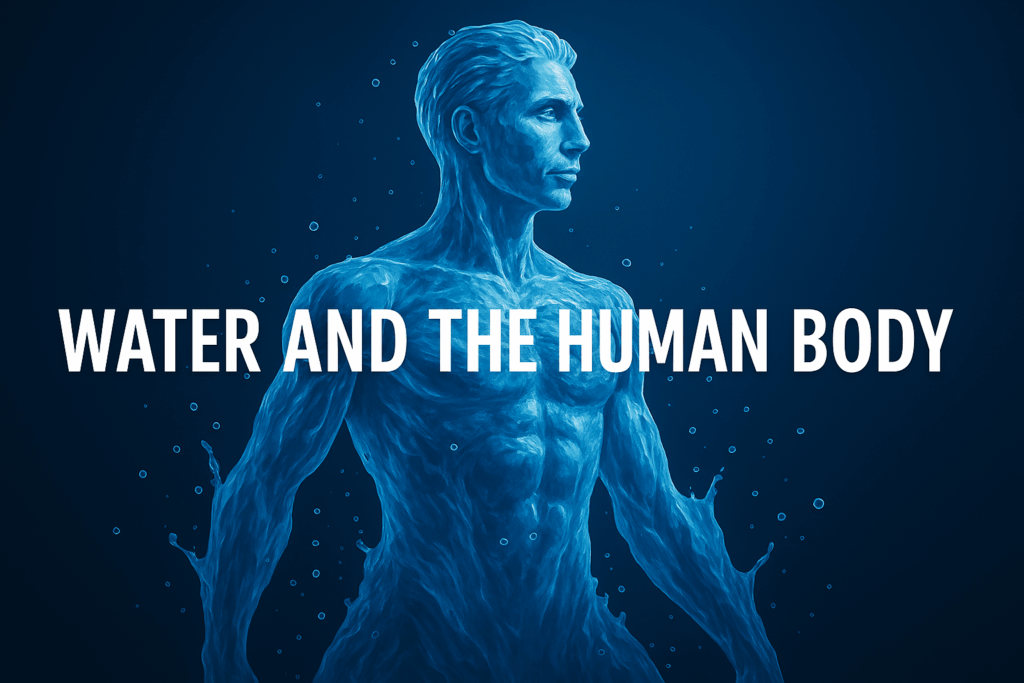



Water is the most essential substance on Earth, yet it’s one of the most neglected when it comes to personal health. Every living cell depends on it for survival, and every biological process within the body requires it to function properly. Approximately 70 percent of the human body is made of water, a fact that highlights how deeply our vitality is intertwined with hydration.
If all the water in an average adult’s body could somehow be removed, that person would instantly weigh about 88 to 110 pounds (40 to 50 kilograms) less. That’s how much of our body weight is made up of water.
That water is distributed unevenly but strategically throughout the body:
- Blood: 83% water
- Muscles, brain, and heart: 75% water
- Lungs: 86% water
- Kidneys: 83% water
- Bones: 22% water
- Eyes: 95% water
- Teeth: 13% water
Each organ relies on water not just for structure, but for function. From circulation to digestion, from brain activity to cellular repair, water is the silent worker behind every process that sustains life.
The Silent Crisis of Dehydration
When water levels in the body drop, even slightly, every system begins to feel the strain. Chronic dehydration doesn’t always appear as extreme thirst. In fact, the body sends subtler distress signals long before you feel parched.
Common early symptoms include:
- Fatigue or low energy
- Headaches and dizziness
- Muscle cramps
- Restlessness or irritability
- Cravings for salty or sweet foods
When dehydration becomes chronic, these symptoms can evolve into more serious problems, such as:
- Constipation or digestive discomfort
- Migraines and back pain
- Joint stiffness
- Asthma or allergies
- Insulin resistance and even adult-onset diabetes
Modern lifestyles often make dehydration worse. Many people assume that because they spend time indoors or in air-conditioned environments, they don’t lose water. Yet the body continually loses moisture through invisible sweat, breathing, and urine.
Even on a cool day, when you don’t see or feel sweat, your body still loses about one pint of water (around 0.5 liters) through perspiration alone. On warmer days or during physical activity, that amount can rise dramatically depending on heat and exertion. In addition, the body naturally loses another 1.5 to 2 liters (roughly half a gallon) each day through breathing, urination, and bowel movements. Altogether, every day the body loses at least 2 liters (about half a gallon) – a powerful reminder of why steady hydration is essential for health and vitality. Complicating matters further, popular beverages such as coffee, tea, and soft drinks often contain caffeine, a diuretic that increases fluid loss. Certain medications have the same effect, silently draining the body of its most vital resource.
Water: The Medium of Life
Every one of your trillions of cells is surrounded by and filled with water. Imagine each cell as a self-contained world – it must eat, breathe, and eliminate waste. Water makes these exchanges possible.
Nutrients from food dissolve in water before entering your cells, and metabolic waste is carried away in the same medium. Without sufficient water, this cellular exchange becomes sluggish, and cells start to suffocate in their own toxins. The result? Fatigue, premature aging, and decreased organ performance.
Water also supports oxygen transport. Red blood cells carry oxygen from the lungs, but it’s the water in your bloodstream and tissues that allows oxygen to diffuse into cells efficiently. When hydration levels drop, oxygen distribution slows, leading to mental fog, poor concentration, and reduced stamina.
Even your brain, which is three-quarters water, depends on hydration for clarity, focus, and emotional stability. A mere two percent drop in hydration can impair memory, attention span, and mood regulation.
Temperature Regulation and Internal Balance
Water is the body’s natural cooling system. Through sweat, your body releases heat to maintain a stable internal temperature. This is why you can work out, walk in the sun, or even sit in a warm room without overheating.
However, sweating requires water. When you are dehydrated, your ability to regulate temperature falters. The body overheats more easily, which can lead to exhaustion or, in severe cases, heat stroke.
Water also supports balance at the biochemical level. It dissolves electrolytes such as sodium, potassium, calcium, and magnesium, the minerals that transmit nerve signals and regulate heartbeat. If hydration drops, this communication slows down, disrupting everything from reflexes to muscle coordination.
The Lubricant and Shock Absorber of the Body
Water acts as a lubricant, reducing friction in the joints and preventing pain during movement. It also cushions vital organs, including the brain and spinal cord, protecting them from shock and injury.
This is why dehydration often manifests as stiffness, joint pain, or back discomfort – the “padding” within joints and tissues diminishes. Similarly, dehydration headaches can result from reduced fluid surrounding the brain.
Water is a key player in the body’s healing process. When you’re injured or fighting off illness, your body directs extra blood and, therefore, extra water to the affected area. This delivers nutrients, flushes out toxins, and accelerates tissue repair.
Without adequate hydration, recovery slows down. Inflammation lingers, wounds heal more slowly, and fatigue increases. Proper hydration supports the immune system by keeping lymph fluid moving freely, enabling white blood cells to travel efficiently to areas where they’re needed most.
In essence, water is the body’s internal cleansing and repair system. When hydration is optimal, your body’s natural ability to detoxify and regenerate is at its strongest.
How Much Water Do You Really Need?
Your body loses about three quarts (around three liters) of fluid daily through normal functions such as breathing, sweating, and digestion. To maintain balance, you need to replenish at least that amount each day, more if you live in a hot climate or are physically active.
Here’s a practical guideline:
- Drink at least three liters (about 12 cups) per day.
- Increase intake during exercise, illness, or heat exposure.
- Sip throughout the day rather than gulping large amounts at once.
Pure water is the best source of hydration, but fluids from herbal teas, vegetable soups, and fresh fruits and vegetables also contribute. Cucumbers, celery, oranges, and watermelon, for example, are excellent natural hydrators.
Avoid relying on soft drinks, energy drinks, or bottled juices – these contain sugars, additives, and acids that increase dehydration.
Quantity is important, but quality matters even more. Not all water is created equal. Tap water may contain chlorine, heavy metals, or microplastics, while bottled water often leaches chemicals from its plastic container, especially when exposed to heat.
For optimal health, aim for pure, mineral-rich water. Filtered spring water or water purified by reverse osmosis with added trace minerals is ideal.
If you use a home filtration system, maintain it regularly. Old filters can become breeding grounds for bacteria and mold, releasing contaminants back into your water. Replace filters according to manufacturer guidelines and clean units frequently.
Signs You’re Not Drinking Enough Water
Even mild dehydration can show up in subtle ways. Watch for these early warning signs:
- Dry mouth or lips
- Headaches or dizziness
- Muscle cramps or fatigue
- Constipation or dark urine
- Poor concentration
- Irritability or anxiety
As hydration improves, many people notice clearer skin, better digestion, improved mood, and sharper mental focus.
Beyond its physical effects, water influences mood and mental clarity. Studies show that dehydration can mimic symptoms of depression and anxiety. Proper hydration, on the other hand, enhances cognitive function, stabilizes emotions, and improves sleep quality.
The brain relies on consistent fluid levels to maintain neurotransmitter balance. When water intake drops, the stress hormone cortisol rises, leading to irritability, tension, and difficulty concentrating. Drinking enough water literally calms the mind.
Hydration and Longevity
Every ancient healing tradition, from Ayurveda to traditional Chinese medicine, emphasizes the importance of water for longevity. Modern science now confirms what these traditions have long taught: hydration supports cellular regeneration and slows the aging process.
As we age, our bodies naturally lose some ability to conserve water, which makes hydration even more critical. Chronic dehydration accelerates wrinkles, joint degeneration, and fatigue, while proper hydration keeps cells plump, joints flexible, and energy levels steady.
Water doesn’t just sustain life – it extends it.
Water is often called the forgotten nutrient, yet it is the foundation of every physiological and biochemical process in the body. From transporting oxygen to lubricating joints, from detoxifying organs to calming the mind, water does it all.
To thrive in the golden years, not merely survive, we must make hydration a daily priority. Drink clean water consistently throughout the day. Listen to your body’s signals, and remember thirst is not just a call for liquid; it’s a call for life itself.