
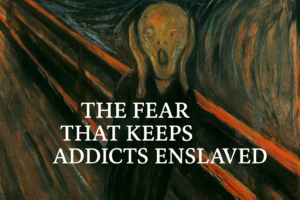
Can we continue to ignore what’s happening around us?
You see it everywhere, on the news, in your social media feed, and even in conversations with friends. Mental health professionals are working hard to address the rise in neurological disorders, but the numbers keep climbing. Just ten years ago, fewer than 10% of U.S. adults reported symptoms of depression. Before COVID-19 entered our lives, that number had already doubled. Today, 1 in 3 American adults lives with symptoms of depression and anxiety.
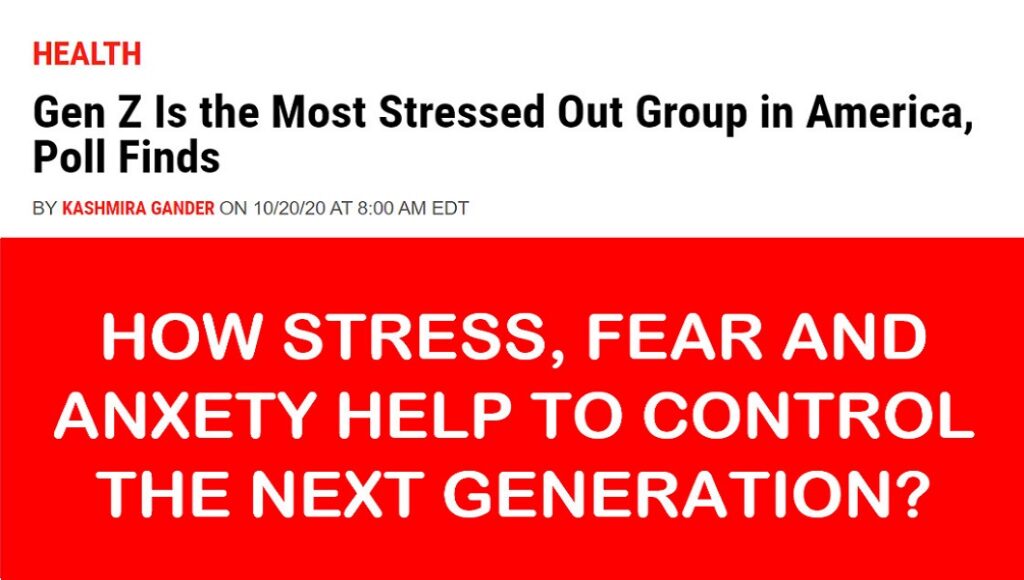
What concerns me most is the deliberate spread of fear and anxiety through the media and social platforms. This constant emotional pressure is affecting everyone, especially children, teens, and young adults. If we don’t act now, the next generation will grow up overwhelmed by fear and stress, dependent on medications that numb the brain rather than heal it. The data is clear: pharmaceutical companies are seeing record profits from antidepressants and anti-anxiety drugs. Slowly but surely, our responses and behaviors are being shaped by chemicals.
The result? A generation living in fear, disconnected from hope and faith in a better future. Many turn to addictive drugs, alcohol, nicotine, and comfort foods to cope. Even more alarming is the rising suicide rate among teens and young adults. But these are supposed to be the most joyful years of life before marriage, careers, and the stress of adult responsibilities. So why are so many young people feeling hopeless?
Before I share the conclusion of my research, let’s look at a few key truths. Stress, depression, anxiety, and fear all increase addictive behaviors. Fattening foods, nicotine, alcohol, and drugs have always been widely available, and they’re legal. These substances are traps, and over time, they’ve ensnared most of the population. Just look at the numbers:
- Over 70% of Americans are overweight or obese
- Around 20% are addicted to nicotine
- Millions struggle with alcohol and drug dependency
These addictions aren’t just personal struggles; they’re public health crises. And they’re deeply connected to the emotional climate in which we live.
Addiction, Dopamine, and the Fear Economy
Studies show addiction itself causes stress and anxiety. That means when COVID hit, most Americans were already living with emotional distress, and many were medicated for it. Here’s something else you should know: most people addicted to food or nicotine only quit when their fear of dying from related diseases outweighs their fear of withdrawal. That’s why many people don’t try to quit their addiction until their 40s or 50s, when chronic illness sets in and doctors urge lifestyle changes. But even then, addiction rates continue to rise in midlife.
Why?
Because life gets more stressful, and addiction offers a temporary escape, a moment of joy in an otherwise overwhelming reality.
In my research on addiction, I uncovered a troubling pattern: many people try to quit, only to relapse. Sound familiar? Think of the yo-yo diet. After falling off the wagon, people often blame themselves for lacking willpower. But the truth is deeper. They return to their addiction to escape the bitter reality, a reality filled with fear, uncertainty, and emotional overload, constantly reinforced by media and social platforms.
Science has long known that dopamine, the brain’s “feel-good” chemical, rises after eating tasty food or having sex. Substances like nicotine, alcohol, and drugs spike dopamine even higher. And when we’re flooded with negative emotions, loneliness, or sadness, we crave that dopamine hit more than ever.
This brings me to a critical point: amphetamine addiction is now common across all age groups, including children and teens.
Why?
Because amphetamines trigger an unnatural surge of dopamine that disconnects users from reality. The dopamine spike from amphetamines far exceeds that of cocaine, nicotine, alcohol, or food. And although scientists discovered the link between addiction and dopamine over 30 years ago, they’ve been funded to find profitable treatments, not to educate the public on how to break free.
Let’s be honest: if you live in the U.S. or any modern country, chances are you’ve joined the rat race, and you eat the Western diet. Industrialized foods and beverages are engineered to be addictive, with flavors designed to hook you. And they carry government approval to be consumed without limits. Add to that the billions spent on advertising through TV, magazines, and social media, and it’s no wonder most of the population in Western countries is addicted.
In my research, I asked a bold question: Why would the government want its citizens addicted? The answer is clear. Addicted, stressed, and medicated people are more obedient. And obedient people are easier to control.
This is not a conspiracy theory; it’s a pattern. The more emotionally unstable and chemically dependent a population becomes, the easier it is to steer their behavior. Fear makes people compliant. Anxiety makes them desperate for relief. And addiction keeps them coming back for more.
Generation Z: The Most Anxious Generation Yet
Let’s talk about Generation Z. This group, born between the late 1990s and early 2010s, is facing unprecedented levels of stress, fear, and anxiety, and it’s no mystery why. They’ve grown up in a world of constant digital stimulation, economic uncertainty, political division, and global crises. They’ve been bombarded with fear-based messaging since childhood.
That’s why we’re seeing a surge in addictions among young people to fattening food, nicotine, drugs, alcohol, and even social media. These aren’t just bad habits. They’re coping mechanisms. And when those mechanisms fail, the result is often depression, self-harm, or suicide.
Antidepressants, widely prescribed to teens and young adults, don’t seem to be solving the problem. In many cases, they make it worse. And there’s no real help on the horizon.
Why?
Because the system isn’t designed to heal, it’s designed to manage symptoms and maintain control. But there is hope. The first step is awareness. The second is education, and the third is action. If we want to change the future, we must start by changing ourselves and by helping others do the same.
Breaking the Cycle and Reclaiming Your Power
I’ve lived this truth myself. I was addicted to nicotine and fattening foods. With congenital heart disease, I knew these habits were shortening my life. That’s why I had to find a way out, and I did. If you’re addicted to food, nicotine, alcohol, social media, or drugs and feel stuck, please hear this message.
In general, lack of knowledge breeds fear. Fear undermines our faith in God, in ourselves, and in our bodies’ ability to heal. The result? Most adults don’t believe they can recover naturally, so they rely on chemical pills that mask symptoms but keep them chronically ill. And this isn’t just affecting adults. Fear, stress, anxiety, and chronic disease are spreading like wildfire among children and teens.
Who benefits from this? Big Pharma, the medical industry, the food industry, and the government. They profit from our deteriorating health. If you think withdrawal programs offer a real solution, think again. Most programs help temporarily, until the next relapse. The data shows that addiction to food and nicotine only drops during the golden years, when the fear of dying finally outweighs the fear of quitting.
If we want to protect the next generation and survive as part of God’s creation, we must break this vicious cycle. I don’t see any other choice. Do you?
Over the years, many people have come to my clinic seeking natural ways to heal from chronic illness. But I learned something important: I couldn’t help those who were still addicted. Healing can’t happen while someone continues to harm themselves. After I found my escape route and successfully quit my addictions, I created a program to help others do the same, and this time for good.
Let me be clear: this isn’t about judgment. It’s about empowerment. If you’re addicted, it’s not because you’re weak. It’s because you’ve been conditioned to seek relief in substances that offer temporary comfort but long-term damage. And you’re not alone.
Below this post, you’ll find a link to begin your journey to freedom from addiction. It’s completely free. If your health and the health of your loved ones matter to you, click the link and start your transformation today.