
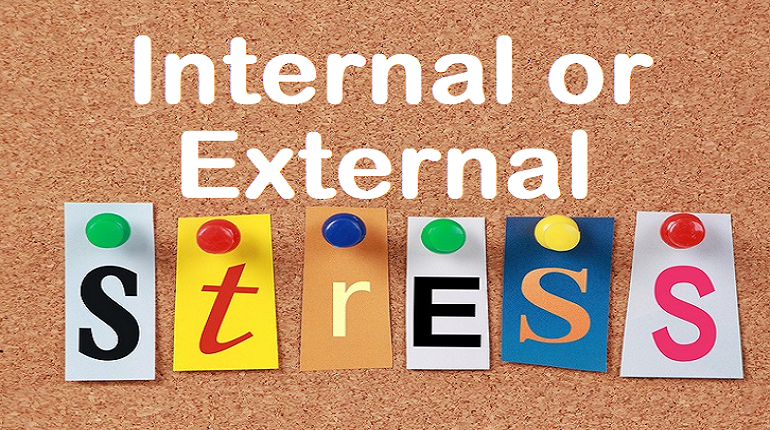


Stress: Is It Internal or External?
That question may hold the key to understanding why so many Americans are chronically sick. Medical researchers estimate that more than 90 percent of all diseases are linked to stress. Stress is not just a word; it is a physical response to a feeling, situation, or event that pulls us away from balance and well-being. What many people do not realize is that stress has always been part of human life.
If we look back at the past three generations, from 1950 through 2020, people living in Western countries had less external stress than ever before. There were no major world wars, no global plagues, no widespread famines, and no massive hunger. Housing conditions improved, advanced medical treatments became available, and for the first time in history, large populations had access to money and freedom. Just one hundred years ago, none of this was true for the majority of people.
Yet, despite living with abundance, safety, and comfort, we are more stressed than ever, and this chronic stress is silently destroying our health. So, the question is clear. What has changed to make us so stressed and sick?
External Stress and Internal Stress
The first step in understanding the problem is to recognize the difference between external and internal stress.
In the past, humans dealt primarily with external stress. This came from injuries, accidents, and trauma, from working long, hard hours in poor conditions, and from pollution and toxins in the environment. It also came from bad relationships and the ordinary challenges of life that cannot be avoided, such as getting married, buying a house, raising children, or caring for family.
External stress also came from diseases. For centuries, people died from bacteria, viruses, and fungi that spread in crowded cities with poor sanitation. I bet no one would want to return to those times. Thankfully, today we have more tools, knowledge, and professional help to deal with these stressors.
That is why I believe internal stress is the real danger today. Internal stress makes the external harder to handle and opens the door to most chronic diseases.
Internal stress is unique to humans because it is tied to fears, negative beliefs, and wrong perspectives about life and health. Two leading factors drive chronic internal stress.
The first factor is nutritional. What we eat and how well our digestive system absorbs essential vitamins and minerals determine how well our bodies function. Experts agree that nutritional deficiencies are a root cause of chronic disease. Modern food is depleted of many nutrients, and at the same time, digestive disorders are rising sharply. Constipation, for example, is one of the most common complaints and is often a sign of toxic buildup in the body.
The second factor is mental and emotional. Internal stress grows when we live with the wrong perspective about life. Our attitudes, thoughts, and imaginations become stored in the subconscious mind. Living in modern societies shapes our behavior and makes us more vulnerable to addictions. Today, seventy percent of Americans are addicted to food, which leads to being overweight or obese. Around twenty percent are addicted to nicotine. Millions more rely on alcohol or recreational drugs. These addictions reduce fitness, damage health, and increase the risk of chronic disease.
In my clinics, I witnessed how behavioral addictions made recovery almost impossible. Asking an addict to give up food, cigarettes, or alcohol is like asking a house slave to hate his master. If you have ever tried to quit an addiction, you know how hard it is to dislike what makes you feel good. This is why so many people develop chronic diseases and rely on medications, which mask symptoms but never cure the root cause.
Why Stress Is Rising in Modern Life?
To understand how we became a stressed society, let us look at what happens from birth.
The very first interventions in an infant’s life are controlled by medical authorities. Shortly after birth, babies are injected multiple times with vaccines. By six months of age, more than half of infants are fed industrialized formula instead of natural breast milk. Parents rarely connect these practices with the steady rise in chronic diseases among children.
As children grow, they face new stressors from the educational system, which demands faster development, constant testing, and overloaded schedules. Teenagers and young adults are exposed to the media, which adds yet another layer of stress and insecurity. Many young people today sleep fewer hours, and a lack of sleep is itself a powerful form of stress on the body.
By adulthood, most people are fully immersed in the rat race. They are juggling work, bills, family responsibilities, and the constant pressures of modern society. No wonder so many middle-aged adults feel exhausted, anxious, and burned out. Not only is stress passed from parents to children through learned behavior, but science even recognizes a genetic link, showing how deeply stress has become woven into our culture.
The real causes of stress are not the unavoidable challenges of life. The greater contributors are government-approved systems, including nutrition guidelines, medical practices, and education programs. To this, we can add mainstream media and social media, both of which amplify fear, comparison, and anxiety. Together, these forces create the foundation for a chronically stressed and chronically sick society.
This leads us to a serious question. Why would our government allow stress and sickness to dominate public life? The truth is uncomfortable. Stress and illness both fuel fear. And fear makes citizens easier to control.
As long as the public remains uneducated about the true causes of addiction and disease, the cycle will continue. The FDA and CDC continue to rely on the germ theory of medicine, developed 170 years ago, as their foundation for treatment. But the facts are undeniable. They cannot cure chronic diseases, and chronic diseases continue to rise among every age group.
The Way Forward
So what can we do?
The first step is to question what we breathe, what we drink, and what we eat. These are not always the breath of life or the taste of health. Much of it has been engineered by corporations to be addictive, to keep us buying, and to keep us sick. Then, when illness develops, fear drives us to the doctor, where medications mask the symptoms without offering a cure. These medications are approved by the very authorities who protect corporate profit rather than public health.
In my practice, I saw many clients whose stress was tied directly to their diet, lifestyle, medications, and digestive health. Constipation, toxic buildup, poor nutrition, and addictions all fuel internal stress. While we cannot avoid the ordinary challenges of life, we can reduce or even eliminate internal stress by
changing our choices
Education is the most powerful tool. This is why I created my Seven Fundamentals
to Longevity program. It helps people see the bigger picture, connect the pieces, and finally understand what causes disease. When you are ready to face the truth, you can begin to free yourself from destructive cycles of stress and addiction.
Stress is not just a fact of life. It is a challenge that we can meet with awareness, education, and action.
The choice is yours.