


The three elements we need to survive – air, water, and food – are not what they once were. Geological studies show that millions of years ago, the oxygen level in Earth’s atmosphere was over 30 percent. Today, it is closer to 21 percent. Experts warn that if oxygen in the atmosphere ever falls below 19.5 percent, human life will not be sustainable.
Atmospheres with less than 19.5% oxygen are officially considered oxygen-deficient and immediately hazardous. Because the brain and muscles rely on steady oxygen, levels below this threshold can trigger impaired thinking, poor coordination, dizziness, and a rapid heartbeat, progressing to confusion, nausea, loss of consciousness, and death if exposure continues.
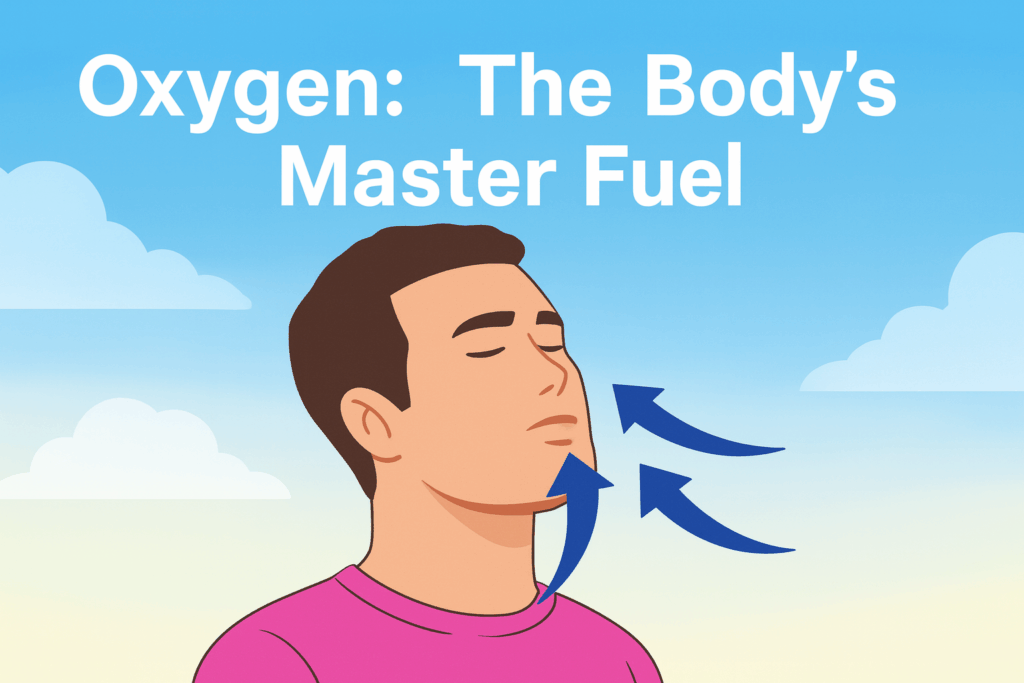
Oxygen: The Body’s Master Fuel
Because we are aerobic beings, oxygen is essential for every function of the body. Nothing in the body happens without it. Whether the process is physical, chemical, or biological, oxygen is required. Our bodies need oxygen to maintain metabolic balance, to recycle and purify the blood, to help the digestive system turn food into energy, and to clear waste products.
Oxygen is not only the fuel that keeps our cells alive, but it is also the body’s natural defense system. Every breath you take brings in oxygen that supports detoxification, strengthens immunity, and protects you from harmful invaders. Without adequate oxygen, the body struggles to eliminate waste, inflammation builds, and disease finds an open door.
Oxygen, Immunity, and Pathogens
One of oxygen’s most powerful roles is its ability to neutralize and destroy organisms that cannot survive in oxygen-rich environments. These are known as anaerobic organisms – harmful bacteria, viruses, molds, and fungi that thrive when oxygen levels are low. They feed on stagnation and weakness, finding places in the body where circulation is poor or where the tissues are deprived of oxygen.
Research has shown that when oxygen levels in the body drop, these organisms not only survive, but they multiply. They create toxins, weaken the immune system, and set the stage for chronic illness. Low-oxygen environments inside the body have been linked to conditions such as cancer, arthritis, diabetes, candida overgrowth, herpes outbreaks, and strep infections. These diseases may appear very different on the surface, but they share a common factor: a weakened internal environment where oxygen is lacking.
Think of oxygen as sunlight in a dark room. Just as light drives away shadows, oxygen drives away organisms that cannot live in its presence. Pathogens lose their power when surrounded by abundant oxygen, and the body gains the upper hand in restoring balance.
Even new viral threats, including the coronavirus, remind us of this principle. Viruses are opportunistic; they look for weaknesses, for bodies where the immune defenses are low and oxygen levels are poor. A body well-supplied with oxygen has a stronger immune response and is less vulnerable to viral damage. While oxygen itself may not be a “cure” for every disease, it creates an internal environment where healing becomes possible and where harmful organisms are less likely to take control.
I saw this principle come alive in one of my clients in the late 1990s. She was a middle-aged woman who had struggled for years with recurring respiratory infections and chronic fatigue. Each winter, she ended up on antibiotics, only to relapse a few weeks later. When she came to me, she was desperate for another way. Instead of focusing on more pills, we began with something simple: improving the air she breathed and teaching her daily breathing exercises to increase oxygen intake. Within weeks, her energy returned. That winter, for the first time in years, she made it through without a single infection. Her body had not magically changed; it had simply been given what it needed all along: oxygen.
This is why practices that increase oxygen levels, from deep breathing to outdoor activity in fresh air, are more than just good habits. They are daily defenses, strengthening the body’s resilience and reducing the risk of chronic and infectious diseases alike.
Unfortunately, human activity is steadily depleting our oxygen sources. We cut down rainforests, the lungs of our planet. We pollute our oceans, which are the Earth’s greatest oxygen producers. We contaminate our atmosphere with industrial emissions. This destruction does not suggest a healthier future for humanity. As oxygen in our environment decreases, it becomes harder to fight disease. We become more vulnerable to pathogens that our ancestors may never have struggled with.
Our lifestyle also makes the problem worse. Over the past fifty years, we have adopted a more sedentary way of living, spending more time indoors and moving less. This habit causes us to take shallow breaths, filling only part of our lungs, and depriving our bodies of the oxygen we desperately need.
Back in 1931, Dr. Otto Warburg received the Nobel Prize for his discovery linking oxygen deficiency to cancer. He demonstrated that when cells are deprived of around 60 percent of the oxygen they need, their structure changes and disease begin. He also showed that anaerobic organisms cannot survive in oxygen-rich conditions. His work confirmed what many natural healers already believed: oxygen is not just a fuel for life; it is a frontline defense against disease.
Think of the human body like an engine. Food is our fuel, and oxygen is the air that keeps the engine running smoothly. Imagine a car’s carburetor receiving more fuel and less air, the engine would sputter and run poorly. The same happens inside our bodies. Without enough oxygen, our cells cannot properly burn stored energy. The result is fatigue, weakness, and poor performance.
I witnessed this firsthand in 2001, during the Crim Race in Flint, Michigan. I joined the power-walking division with over 1,500 other walkers. By the third mile, I noticed something striking. Most of the walkers around me were already falling behind. The reason was clear: they were taking shallow breaths, depriving their bodies of the oxygen needed to sustain energy. By practicing proper deep breathing, I was able to maintain strength and efficiency long after others had slowed. That race confirmed for me how critical oxygen is for stamina and health.
Breathing Better: Simple Daily Practice
The good news is that anyone can improve their oxygen intake. A simple deep breathing exercise, practiced once or twice a day, can make a profound difference. Even if you are not physically active, you can do this while sitting in a chair near an open window.
Breathe in for three to four seconds, filling your lungs. Hold your breath for three to four seconds. Then exhale slowly for another three to four seconds, emptying the lungs fully. If you begin to feel lightheaded or dizzy, it means you are taking in more oxygen than your body is used to, so inhale less deeply until your body adjusts.
With practice, deep breathing not only strengthens your lungs, it also delivers more oxygen to your blood, energizes your cells, and sharpens your mind. It is a free and powerful tool for health that is always available, if you remember to use it.