


Inflammation has been with humanity since the beginning of time. Our ancestors faced it daily, whether from injuries, infections, or contaminated food and water. For most of human history, people lived without refrigeration, sanitation, or modern medicine. Their primary battles with inflammation came from dirty environments, poor hygiene, wounds, or exposure to bacteria and viruses.
Today, our world looks very different. We have refrigerators to preserve food, modern sanitation to keep our water clean, and countless technologies to reduce contamination in our homes and workplaces. When we catch a cold, develop sinusitis, or get bronchitis, medical treatments are available. Antibiotics, painkillers, and fever reducers are often prescribed to help us bounce back quickly. These tools can be life-saving in the case of acute infections.
However, there is a catch. Medical treatments often do not cure chronic inflammatory diseases. Instead, they mask symptoms while leaving the underlying condition unresolved. Over time, what began as a temporary irritation can become a lifelong struggle. Chronic inflammation, once established, can become incurable and lead to years of pain, disability, and suffering.
What is inflammation really?
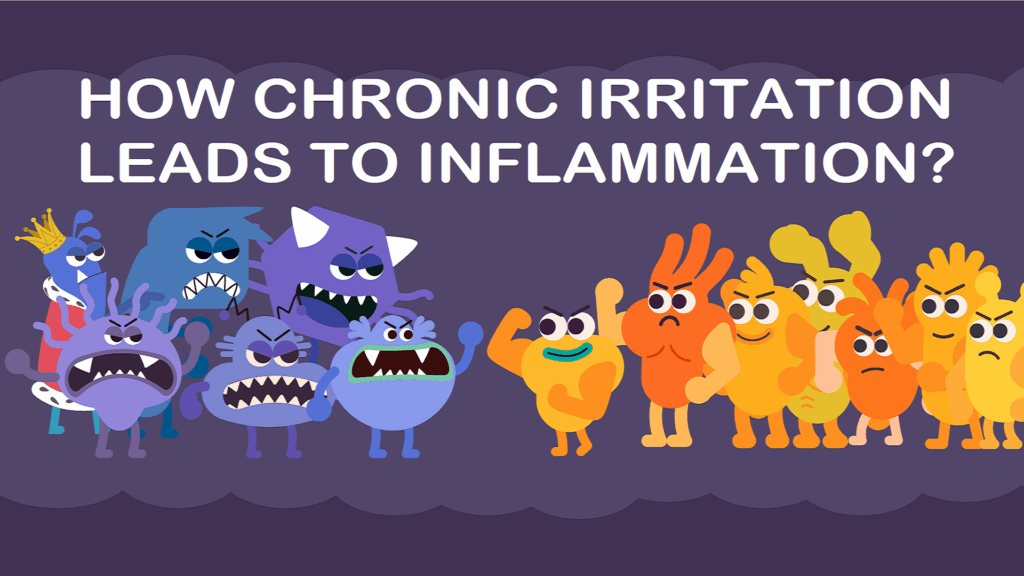
To understand how inflammation turns chronic, we must first look at what inflammation truly is. Inflammation is irritation in the body’s energy flow, a disruption that prevents tissues and organs from functioning normally. The body responds to this disruption with an attempt to restore balance and return to health.
This is what happens when you cut your skin, scrape your knee, or catch the flu. The body sends signals, increases blood flow, and mobilizes the immune system to repair the damage. Acute inflammation follows a natural cycle. It begins with irritation, rises to a peak where symptoms are at their worst, and then declines as the body restores health.
The five classic signs of inflammation are pain, heat, swelling, redness, and loss of function. We see this in everything from a swollen ankle to a sore throat. Medicines like antibiotics or anti-inflammatories can reduce symptoms, but they do not actually heal. Your body itself has the power to heal from acute inflammation without outside help.
How acute inflammation becomes chronic
The real problem begins when irritation does not stop. If the irritant continues, the acute condition does not heal fully, and the inflammation becomes chronic.
Think about smokers. Each puff of tobacco smoke irritates the throat, sinuses, and lungs. Over time, this constant irritation transforms occasional acute infections into chronic respiratory disease. The same process occurs with alcohol, which irritates the liver, or with overeating and processed foods, which inflame the digestive tract, pancreas, heart, kidneys, and even the brain.
Acute inflammation is nearly unavoidable. Everyone gets cuts, scrapes, or infections from time to time. But chronic inflammation is different. It develops largely because of how we treat acute conditions and how our lifestyles either help or harm the body’s natural healing ability.
The problem with conventional treatments
When we visit the doctor with an acute infection, the typical prescription is antibiotics plus medications for pain and fever. These drugs work quickly. They reduce symptoms and get us back to work or school faster. However, they also interfere with the body’s natural healing process.
Children who suffer from repeated acute infections in the lungs, sinuses, or digestive system are particularly vulnerable. Each time antibiotics are prescribed, friendly bacteria that play a role in healing are destroyed. The child recovers temporarily, but the root of the problem remains. Over the years, repeated infections and repeated use of antibiotics weaken the body’s ability to heal fully. The inflammation eventually becomes chronic.
This pattern is common. It explains why so many adults end up with lifelong conditions like asthma, chronic sinusitis, irritable bowel syndrome, or autoimmune disorders.
The role of bacteria and the immune system
To understand this, we need to look at how the immune system works alongside bacteria. Imagine a child falls off a bike and scrapes a knee. The wound quickly becomes red, swollen, hot, and painful. A clot forms, followed by a scab, and over time, new skin grows. Sometimes pus collects at the wound, which is actually a mixture of white blood cells and bacteria, helping in the healing process.
This is natural. Both immune cells and bacteria are part of recovery. Even when we cannot see it, the same process occurs inside the body when inflammation develops in the lungs, the gut, or the sinuses.
The problem is that medical treatments often disrupt this natural partnership. Antibiotics do not distinguish between harmful bacteria and beneficial ones. They wipe out both. Without healthy bacteria to support tissue repair, scars form, and recovery is incomplete. Over time, the same area becomes a weak point in the body, prone to repeated inflammation.
The cycle of scarring and chronic disease
Each time acute inflammation strikes the same spot, the scar tissue thickens. The lungs, for example, can develop pulmonary fibrosis, where thick scar tissue reduces flexibility and breathing capacity. Over the years, this scarring can even lead to cancer.
The digestive system, which stretches over twenty feet from the esophagus to the rectum, can develop scar thickening in many locations. This can happen in the stomach, intestines, appendix, or even around hemorrhoids. Scar tissue restricts normal function, making chronic disease more likely. In some cases, these repeated irritations and scars can set the stage for cancer.
Why lifestyle matters
If antibiotics and medical shortcuts interrupt healing, lifestyle habits are the fuel that keeps irritation alive. Smoking, drinking alcohol, overeating, consuming industrialized foods, and living under chronic stress all irritate tissues. When combined with medical treatments that reduce the body’s natural healing ability, the result is a perfect storm for chronic disease.
Not everyone reacts the same way to antibiotics or inflammation. Genetics play a role, as do individual habits. Some children may take antibiotics and seem to bounce back, while others begin developing chronic conditions early. But the long-term pattern is undeniable: repeated interference with natural healing, combined with ongoing irritation, eventually leads to chronic disease.
Science and friendly bacteria
Modern science has already shown the connection between missing friendly bacteria and chronic disease. We now know that bacteria are not only “germs” to be fought, but essential partners in maintaining health. They help blood clot, form scars, digest food, regulate the immune system, and protect against harmful microbes.
Destroying these friendly bacteria with antibiotics slows healing, weakens the body, and opens the door to chronic disease. Meanwhile, the lifestyle that caused the irritation in the first place continues, compounding the damage.
What this means for you
If you have ever wondered why chronic diseases seem to be everywhere in modern society, this is the answer. Our ancestors had acute inflammation, but it healed naturally. Today, we interfere with healing through the overuse of medications and by living in ways that keep irritation constant.
This is not to say modern medicine has no place. Antibiotics save lives in severe cases. Pain relief has its value. However, we must also acknowledge the cost of relying solely on these shortcuts as our solution. Without supporting the body’s natural ability to heal, we turn temporary irritation into permanent suffering.
A personal perspective
I know this not only from research but also from my own life. Decades ago, I too took antibiotics regularly when I was sick. I experienced the digestive side effects and the weakening of my immune system. But once I changed my lifestyle over twenty years ago — eating real food, avoiding unnecessary medications, and supporting my body with natural remedies — my health transformed. Today, I feel strong and healthy, and I have not needed medicines for years.
This experience convinced me to share what I have learned with others. Knowledge is power, but only if we use it.
The bigger picture
Chronic irritation and inflammation are not just medical issues. They are reflections of how we live. Every cigarette, every processed meal, every unnecessary antibiotic prescription, and every ignored symptom contributes to a pattern. That pattern, if left unchecked, leads to chronic disease.
But patterns can be broken. By learning how the body heals itself, supporting natural processes, and reducing irritants, you can change your future. You are not destined to live with chronic pain or disease.
Conclusion
If you do not understand how your body heals, it is easy to be convinced that only medications can help you. This is how the medical establishment and the pharmaceutical industry maintain control. But you have a choice. You can either follow the same path that leads to chronic disease, or you can take responsibility for your health, learn new ways, and reclaim your vitality.
The truth is simple: your body was designed to heal. Give it the chance, and it will. Everything you need for health and longevity is already within you. The question is whether you will continue to mask symptoms or finally address the root cause and set yourself free.
If you wonder how to reach longevity in the Golden Years, please check out my 7 fundamentals to healthy longevity.