
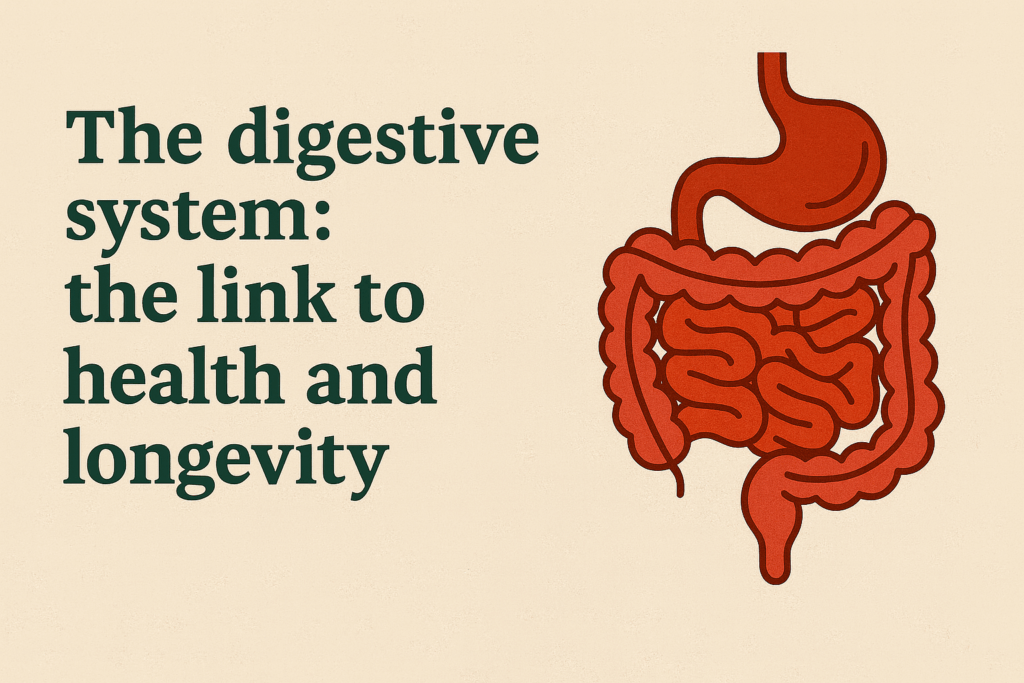



Many diseases are food-related and can be avoided. Every year, a new diet is introduced to the market, and it claims to help you lose weight and get you healthy. However, before you try to lose weight and get healthy, first you should learn about the structure of the digestive system. That is the thrash hold of reaching healthy longevity.
Humans are part of the mammalian family, a group that can generally be divided into three categories: herbivores, which thrive on plants, carnivores, which live almost entirely on meat, and omnivores, which eat a combination of both. At first glance, some might assume humans are omnivores because we can consume both plant and animal foods. But the question is not what we are capable of eating, it is what our anatomy and physiology are designed for. When we study the human body in detail, our teeth, jaws, saliva, stomach acid, intestinal length, and organ size, the evidence overwhelmingly places us closer to herbivores than to carnivores.
This distinction is more than academic. It goes to the core of how our bodies function and what kinds of foods promote health or contribute to disease. Carnivores have short digestive tracts, acidic saliva, and sharp teeth designed for tearing flesh. Herbivores have long intestines, alkaline saliva with enzymes for breaking down starches, and flat molars designed for grinding plants. Humans share nearly all these characteristics with herbivores.
Five Crucial Facts That Show Humans Are Built More Like Herbivores
1. Teeth Structure
Carnivores, like lions or wolves, are equipped with long, sharp canine teeth designed to puncture, tear, and rip through raw flesh. Their back teeth are serrated, functioning like knives to slice meat apart. In contrast, herbivores have broad, flat molars used for grinding and chewing fibrous plants. Humans clearly share the latter design. Our molars are flat and suited for crushing vegetables, grains, fruits, and nuts. Even our so-called “canine” teeth are short and blunt compared to carnivores. They are not capable of tearing through rawhide or bones.
2. Intestinal Length
One of the most striking differences between herbivores and carnivores lies in the intestines. Herbivores have long, convoluted intestines that can be ten to twelve times the length of their torso. This extended length provides the time needed to break down cellulose, fiber, and complex carbohydrates found in plants. Carnivores, by contrast, have short intestines only about three to six times the length of their torso, so that meat can move quickly through their system before it putrefies. Humans fall firmly in the herbivore category. Our intestines are long and winding, averaging ten to twelve times our body length, perfectly designed to handle plant-based foods. When humans eat large amounts of meat, it lingers too long in the gut, often leading to toxins, constipation, and a higher risk of colon disease.
3. Jaw Movement and Chewing
Carnivores have jaws that operate like scissors, opening and shutting in a simple up-and-down motion. This motion is perfect for biting chunks of flesh but useless for grinding food. Herbivores, on the other hand, have jaws that move up, down, and side to side, allowing them to mash and pulverize plant fibers. Humans share this herbivorous trait. Our ability to chew food thoroughly is crucial because the first stage of digestion begins in the mouth. By chewing, we break food into smaller particles and expose more surface area for digestive enzymes to act upon. Compare this to a cat or dog that barely chews before swallowing; their digestion depends on stomach acid, not oral enzymes.
4. Saliva and Digestive Enzymes
Human saliva is alkaline, not acidic, and it contains an enzyme called ptyalin (amylase). This enzyme begins the breakdown of complex carbohydrates, such as those found in grains, fruits, and vegetables, right in the mouth. This is a clear marker of a herbivore’s digestive system. Carnivores, in contrast, have acidic saliva but no carbohydrate-digesting enzymes, since their diet contains almost no starch. Instead, their saliva serves primarily to lubricate meat for swallowing. The presence of ptyalin in human saliva is strong evidence that our bodies were designed to digest plants first and foremost.
5. Liver and Kidney Function
The liver and kidneys of carnivores are proportionally much larger than those of herbivores. This is because they must process and excrete the large amounts of nitrogen and uric acid produced by constant meat consumption. Humans, however, have smaller livers and kidneys, more like plant-eaters. Our organs are not designed to handle high levels of nitrogenous waste from daily meat consumption. When forced to, the result can be kidney strain, liver overload, and higher risks of diseases such as gout, kidney stones, and liver damage.
Stomach Acid and What It Really Tells Us
Many dietitians and nutritionists argue that the human stomach is highly acidic because we are meant to eat animal protein and fat, and the acid helps break these foods down. This explanation sounds convincing, especially for those who support the meat industry, but our evolutionary history points to something different.
Recent research has revealed that human stomach acid is much stronger than previously believed and is more comparable to that of scavengers than to herbivores. A study conducted at North Carolina State University examined gastric acidity across birds and mammals and found a clear pattern. Animals that consume food with a high risk of contamination, such as carrion, have the strongest stomach acid. This level of acidity acts as a powerful microbial filter, killing pathogens before they can reach the intestines. The findings, published in the journal PLOS ONE, suggest that our digestive system evolved to provide this same kind of protection.
Although humans are considered omnivores, our gastric pH, which averages between 1.5 and 2, is closer to that of scavengers than to other mammals. This means that while we cannot safely consume raw or spoiled meat the way scavengers can, our stomach acid allows us to handle cooked meat with much greater safety. Cooking denatures proteins and destroys many pathogens, and our acidic stomach provides an additional defense against any harmful microbes that survive the cooking process.
Stomach Acid and the Gut Microbiome
The role of stomach acid extends far beyond digesting protein. It is the body’s first defense for protecting the gut microbiome, which is the vast community of bacteria, fungi, and other microorganisms living in the digestive tract. Strong acidity creates a filter, preventing harmful microbes from entering while allowing beneficial or neutral ones to pass through.
When stomach acid is balanced and functioning properly, the gut microbiome remains diverse and resilient. When acidity is weakened by frequent antacid use, long-term use of proton pump inhibitors, or surgical procedures, that protective barrier breaks down. Harmful bacteria can establish themselves in the intestines and disrupt the balance of the microbiome.
This imbalance, known as dysbiosis, has been linked not only to digestive discomfort such as bloating, constipation, and diarrhea, but also to chronic conditions including obesity, autoimmune disorders, and even mental health issues like anxiety and depression. In other words, the strength of your stomach acid is directly connected to the health of your entire digestive system.
Supporting Healthy Stomach Acidity Naturally
Your stomach acid is essential for both digestion and defense. The good news is that there are simple ways to support healthy levels of acidity without relying on medications.
- Chew your food thoroughly. Digestion begins in the mouth. When food is broken down well by chewing, the stomach does not have to work as hard, and acid can act more effectively. Eating slowly also gives your body time to release enzymes and prepare the stomach for incoming food.
- Stay hydrated, but avoid excess water during meals. Drinking water throughout the day helps the stomach produce acid, but large amounts of water during a meal may dilute stomach juices and enzymes. It is better to drink most of your fluids between meals.
- Include bitter foods. Bitter greens like arugula, dandelion leaves, chicory, and kale stimulate the vagus nerve and signal the stomach to produce more acid. Herbal teas made from gentian root or chamomile can have a similar effect.
- Use apple cider vinegar or lemon water. A teaspoon of raw apple cider vinegar or a squeeze of fresh lemon in a glass of water before meals can gently encourage acid production. This is especially helpful for people who experience bloating after eating.
- Manage stress. High stress reduces stomach acid production by disrupting the nervous system’s control over digestion. Simple practices such as deep breathing, meditation, or short walks before meals can shift the body into “rest and digest” mode, which encourages stronger gastric secretions.
- Get enough zinc. Zinc is a mineral required for stomach acid production. Low zinc levels are common and can impair digestion. Good sources include pumpkin seeds, legumes, lentils, beans, and mushrooms. Supplements may also help if tested and recommended.
- Avoid overuse of antacids. Antacids and proton pump inhibitors provide temporary relief from heartburn but weaken the stomach’s natural defenses over time. If used too often, they disrupt digestion and allow harmful bacteria into the gut. These should be used only when necessary, under medical supervision.
By supporting your stomach’s acidity naturally, you are not only helping your body break down food more effectively, but you are also protecting your gut microbiome and strengthening your overall health.
A Final Warning: Don’t Treat Your Digestive System Like a Trash Can
In my clinics, I have seen many clients treat their digestive system like a trash can, ignoring early warning signs of trouble: indigestion, bloating, constipation, and fatigue. They suppress these symptoms with pills or ignore them until a more serious disease develops. But the truth is simple: our digestive system is central to our health.
Digestion begins in the mouth, where food must be chewed thoroughly and mixed with saliva. This process not only prepares the food mechanically but also chemically, since enzymes in saliva begin breaking down starches immediately. From there, food travels to the stomach, where hydrochloric acid and digestive juices continue the breakdown. While the stomach is acidic, it is not the place where most nutrients are absorbed. That happens in the small intestine, where vitamins, minerals, and macronutrients are transported into the bloodstream. The colon, or large intestine, is where water is absorbed and waste is prepared for elimination. Unfortunately, it is also where many digestive problems develop, especially when the diet is heavy in processed foods and low in fiber.
When you add these facts together, the conclusion becomes clear. Our digestive system physiology is closer to herbivores and omnivores than carnivores. More importantly, all mammals in their natural environment eat their food fresh. Carnivores eat freshly killed prey, herbivores graze directly on plants, and even omnivores that include meat in their diet consume it raw, unprocessed, and in small amounts. Humans, however, have drifted away from this natural law. We cook, bake, fry, and over-process our food until it is enzyme-depleted and lifeless. Chefs are praised for creating meals that delight the eyes, nose, and taste buds, yet such food often provides fleeting pleasure while doing little to support long-term health or longevity.